GROWN IN THE UNITED KINGDOM
From Field To Factory
Wherever possible we will always support UK farmers by using local suppliers and UK produced goods. The wool we use comes from the hills of the UK. Discover more about the journey of the wool to the Highland 2000 factory in Nottinghamshire...
From the field...
Step 1: Shearing
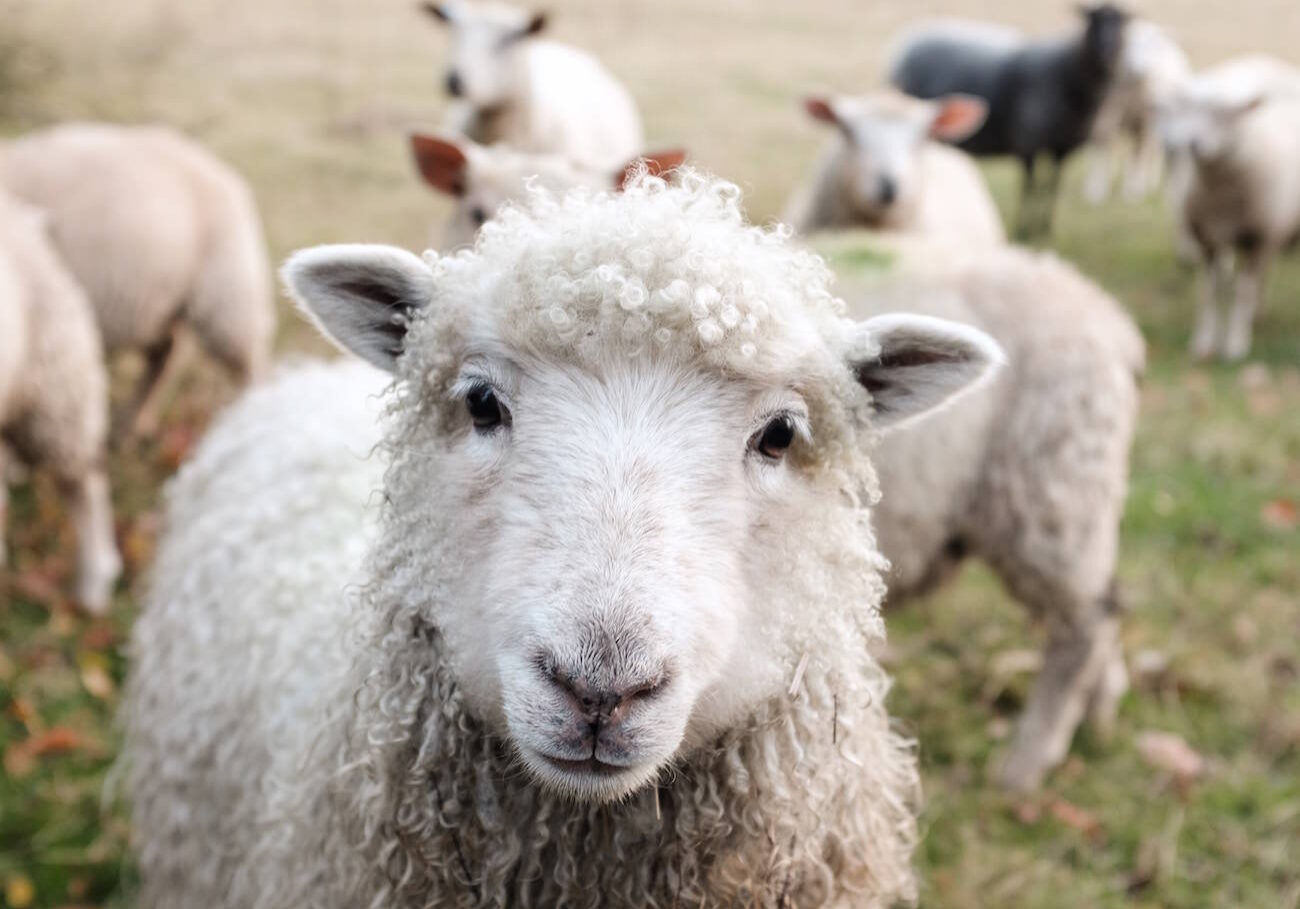
The main source of our wool is from sheep. We get our wool from RW Shepley, a worsted wool spinning company. Local farmers shear the sheep by hand, using methods which were developed over hundreds of years to ensure that the sheep are completely safe during this process.

Step 2: Grading
The now-sheared wool gets sent to experience wool sorters who select wool which is the right length, colour and thickness in order to perform worsted wool spinning. This type of spinning requires the best quality of wool.

Step 3: Scouring
Scouring is a technique which involves water and a safe, light detergent to clean the wool. It works by removing oil, dirt, vegetables, and short or dead fibres.

Step 4: Combing
The next step is to comb the fibres! This is to ensure that they are all the same size and all the short ones have been removed to ensure that it is ready for spinning. The reason why it's important to remove the short fibres is that it makes it less likely that to 'ball-up' when worn. This part of the process produces a wool top which can then be dyed and spun.

Step 5: Top Dyeing & Gilling
This is where the wool is gently dyed, in a way which does not damage the fibres. It also enhances the wool's colour through its volume and depth. Gilling allows multiple colours to be dyed into the wool. It helps manufacture rich, heather, melange colours.

Step 6: Drawing
This is the first process of spinning, the combed wool is drawn out to prepare the silver for the spinning frame. This means that the wool has to be presented to the frame at the right weight and size, to remove unevenness from the yarn.

Step 7: Spinning & Twisting
The yarn is then spun on semi-automated spinning frames. These frames have built-in vacuum extraction units to ensure that the yarn and air are not contaminated. The yarns are twisted to ensure ultimate strength and softness for knitting.

Step 8: Winding
This is the final operation in the process before being sent to our factory in Eastwood, Nottinghamshire. The specialist wax winding process ensures that all the knitted yarns are finished containing a natural wax for easy and flawless knitting.

Stage 2: The Highland 2000 Knitting Process

...to the factory
Step 1: Machining
Yarn is knitted on latest Stoll Machines which produce a knitted fabric in desired stitch and customers chosen design and colour.

Step 2 - Pressing
Fabric is then steam pressed to bulk up the yarn fibres.

Step 3 - Linking
The piece is then linked together on a linking machine.

Step 4 - Bartacking
Bartack fixes loose ends adding strength where needed.

Step 5 - Labelling
Then the product is labelled.

Step 6 - Handfinishing
Next the product is hand sewn.

Step 7 - Examining
After the product has been handfinished, it gets examined by hand and eye.

Step 8 - Packaging
The knitwear is then tagged, bagged and sent through a metal detector (to check for any broken needles).